
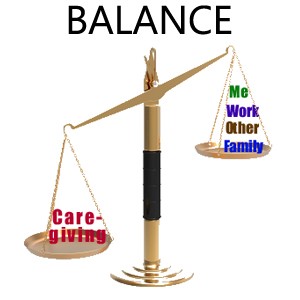

The requests of caregiving can be overpowering, particularly on the off chance that you feel you have little control over the circumstance or you’re up the creek without a paddle. On the off chance that the anxiety of caregiving is left unchecked, it can take a toll on your wellbeing, connections, and perspective—in the end prompting burnout. When you’re wore out, it’s difficult to do anything, not to mention care for another person. That is the reason setting aside a few minutes to rest, unwind, and revive isn’t an extravagance—it’s a need. Perused on for tips on the most proficient method to recapture parity in your life.
Caregiver stress and burnout: What you need to know
Nurturing a friend or family member can be extremely compensating, yet it additionally includes numerous stressors: changes in the family rapid, family disturbance, budgetary weight, and the additional workload. So is it any marvel that guardians would some say some are of the general population most inclined to burnout?
Parental figure anxiety can be especially harming, since it is regularly a perpetual, long haul challenge. It can be especially crippling when there’s no trust that your relative will show signs of improvement. Without satisfactory help and backing, the anxiety of caregiving abandons you defenseless against an extensive variety of physical and enthusiastic issues, going from coronary illness to melancholy.
Signs and symptoms of caregiver stress and burnout
Learning to recognize the signs of caregiver stress and burnout is the first step to dealing with the problem.
Common signs and symptoms of caregiver stress
|
|
Common signs and symptoms of caregiver burnout
- You have much less energy than you once had
- It seems like you catch every cold or flu that’s going around
- You’re constantly exhausted, even after sleeping or taking a break
- You neglect your own needs, either because you’re too busy or you don’t care anymore
- Your life revolves around caregiving, but it gives you little satisfaction
- You have trouble relaxing, even when help is available
- You’re increasingly impatient and irritable with the person you’re caring for
- You feel helpless and hopeless
Dealing with caregiver stress & burnout tip 1: Ask for help
Tips for getting the caregiving help you need
- Speak up. Be up front about what’s going on with you and the person you’re caring for. If you have concerns or thoughts about how to improve the situation, express them—even if you’re unsure how they’ll be received.
- Spread the responsibility. Try to get as many family members involved as possible. Even someone who lives far away can help.
- Set up a regular check-in. Ask a family member, friend, or volunteer from your church or senior center to call you on a set basis (every day, weekly, or how ever often you think you need it.
- Say “yes” when someone offers assistance. Don’t be shy about accepting help. Let them feel good about supporting you.
- Be willing to relinquish some control. Trying to control every aspect of care is another. People will be less likely to help if you micromanage, give orders, or insist on doing things your way.
Dealing with caregiver stress & burnout tip 2: Give yourself a break
Give yourself permission to rest and to do things that you enjoy on a daily basis. You will be a better caregiver for it.
- Set aside a minimum of 30 minutes every day for yourself. Do whatever you enjoy, whether it’s reading, working in the garden, tinkering in your workshop, knitting, playing with the dogs, or watching the game.
- Find ways to pamper yourself. Ask your hubby for a back rub. Get a manicure. Buy fresh flowers for the house. Or whatever makes you feel special.
- Make yourself laugh. Read a funny book, watch a comedy, or call a friend who makes you laugh. And whenever you can, try to find the humor in everyday situations.
- Get out of the house. Seek out friends and family to step in with caregiving so you can have some time away from the home.
- Visit with friends and share your feelings. Sharing your feelings won’t make you a burden to others. In fact, most friends will be flattered that you trust them enough to confide in them, and it will only strengthen your bond.
Dealing with caregiver stress & burnout tip 3: Practice acceptance
Try to avoid the emotional trap of feeling sorry for yourself or searching for someone to blame. Focus instead on accepting the situation and looking for ways it can help you grown as a person.
- Focus on the things you can control. You can’t wish your mother’s cancer away or force your brother to help out more. Rather than stressing out over things you can’t control, focus on the way you choose to react to problems.
- Find the silver lining. Think about how caregiving allows you to give back and show your love.
- Share your feelings. Talk to a friend or therapist about what you’re going through as a family caregiver.
- Avoid tunnel vision. Invest in things that give you meaning and purpose—whether it’s your family, church, a favorite hobby, or your career.
Dealing with caregiver stress & burnout tip 4: Take care of your health
Think of your body like a car. With the right fuel and proper maintenance, it will run reliably and well. Neglect its upkeep and it will start to give you trouble. Don’t add to the stress of your caregiving situation with avoidable health woes.
- Keep on top of your doctor visits. Don’t skip check-ups or medical appointments. You need to be healthy in order to take good care of your family member.
- Exercise. When you’re stressed and tired, the last thing you feel like doing is exercising. But you’ll feel better afterwards. Aim for a minimum of 30 minutes on most days. When you exercise regularly, you’ll also find it boosts your energy level and helps you fight fatigue.
- Meditate. Try yoga, deep breathing, progressive muscle relaxation, or mindfulness meditation. Even a few minutes in the middle of an overwhelming day can help you feel more centered.
- Eat well. Nourish your body with fresh fruit, vegetables, whole grains, beans, lean protein, and healthy fats such as nuts and olive oil. These foods will fuel you with steady energy.
- Don’t skimp on sleep. Cutting back on time in bed is counterproductive—at least if your goal is to get more done. When you get less, your mood, energy, productivity, and ability to handle stress will suffer.
Dealing with caregiver stress & burnout tip 5: Join a support group
A caregiver support group is a great way to share your troubles and find people who are going through the same experiences that you are living each day. If you can’t leave the house, many Internet groups are also available.
In most support groups, you’ll talk about your problems and listen to others talk; you’ll not only get help, but you’ll also be able to help others. Most important, you’ll find out that you’re not alone. You’ll feel better knowing that other people are in the same situation, and their knowledge can be invaluable, especially if they’re caring for someone with the same illness as you are.