
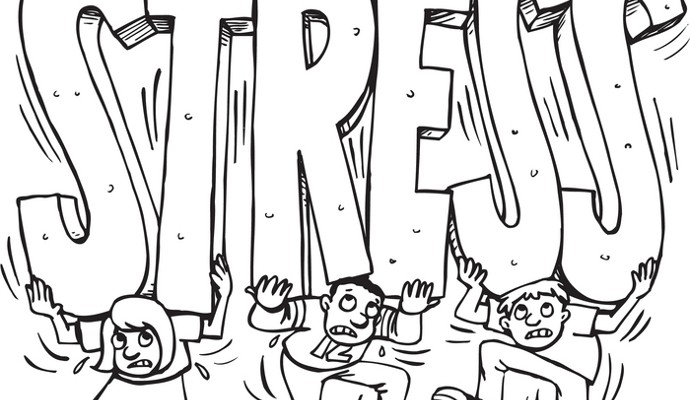
 Caregiver syndrome or caregiver stress is a condition of exhaustion, anger, rage, or guilt that results from unrelieved caring for a chronically ill dependent. Almost 66 million Americans are providing care to those who are ill, aged, and/or disabled for an average of 39.2 hours per week.
Over 13 million caregivers are also caring for their own children as well. Caregiver syndrome is acute when caring for an individual with behavioral difficulties, such as: fecal incontinence, memory issues, sleep problems, wandering (dementia), and aggression.
Typical symptoms of the caregiver include: fatigue, insomnia, stomach complaints, and so on, with the most common symptom being depression. Roughly 70% of caregivers suffer from depression. Due to the deterioration (both physical and mental) of these caregivers, health professionals have given this condition a name, Caregiver Syndrome or “Caregiver fatigue.”
Causes
Caregiver syndrome is caused by the overwhelming duty of caring for a disabled or chronically ill person. Caregiver stress is caused by an increased stress hormone level for an extended period of time.
Caregivers also suffer the grief of a declining loved one, as causing a depressive exhaustive state, deteriorating emotional and mental health. “Double-duty caregivers” are those already working in the healthcare field who feel obligated to also care for their loved ones at home.
This over-exhaustion and constant caregiving role can cause an increase in physical and mental health deterioration. It is actually being thought that a part of the stress of being a caregiver is from how they feel about the job. In other words if a caregiver does not like or want to be a caregiver, they will inflict more stress on themselves by accepting the role.
Symptoms of chronic stress
Those who are providing care for a friend or family member with a long-term illness undergo what is known as chronic stress. Caregiving has been shown to have an impact on the immune system. It was found that caregivers to Alzheimer’s patients were more depressed, and they showed lower life satisfaction than the comparison samples.
Symptoms include depression, anxiety, and anger. Chronic stress can create medical problems including high blood pressure, diabetes, and a compromised immune system. The impact may reduce the care-giver’s life expectancy.
In severe cases of Alzheimer’s, caregivers may also take on the symptoms of the patients whom they are taking care of. An example of this is progressive memory loss. Caregiver syndrome affects people at any age. For example, elderly caregivers are at a 63 percent higher risk of mortality than non-caregivers who are in the same age group. This trend may be due to elevated levels of stress hormones circulating throughout the body.
These levels are similar to someone with PTSD. Because caregivers have to be so immersed in their roles, with day/night hours, they often have to neglect their own health. They are experiencing high amounts of stress along with grief since the health of their loved one is declining. Since their roles are changing from a partnership or mother/daughter, mother/son, etc. relationship to a caregiver and patient relationship, caregivers are turning to online forums such as the Alzheimer’s Association for support. This role change is difficult for many people to make, causing them to experience anger, resentment, and guilt. It is difficult to provide quality care in this state of stress.
The health of caregivers should be monitored in various ways. There are tests for measuring the amount of stress on a caregiver.
Caregivers are at risk for adverse effects on their health, due to emotional distress. Therefore, effective coping strategies can help with this. Even after caregiving has terminated, these stressors can have long-lasting effects on the caregiver’s body due to these immune alterations.
Since caregiving can further erode the caregiver’s own health, many studies are being done to assess the risks that a caregiver poses when they assume this job and its effects on their immune functioning, endocrine functioning, risk for depression, poor quality of sleep, long-term changes in stress responses, Cardiovascular diseases, an increased risk of infectious disease, and even death. Resentment from the patient is what may lead to the depression and distress typically seen in caregivers.] This anxiety and depression can then lead back into the health of the caregiver. Caregivers fare better when they have active coping skills, such as these coping interventions:
- Mindfulness-based stress reduction
- Writing therapy
- Coping effectiveness training
- Stress management
- Relaxation training