
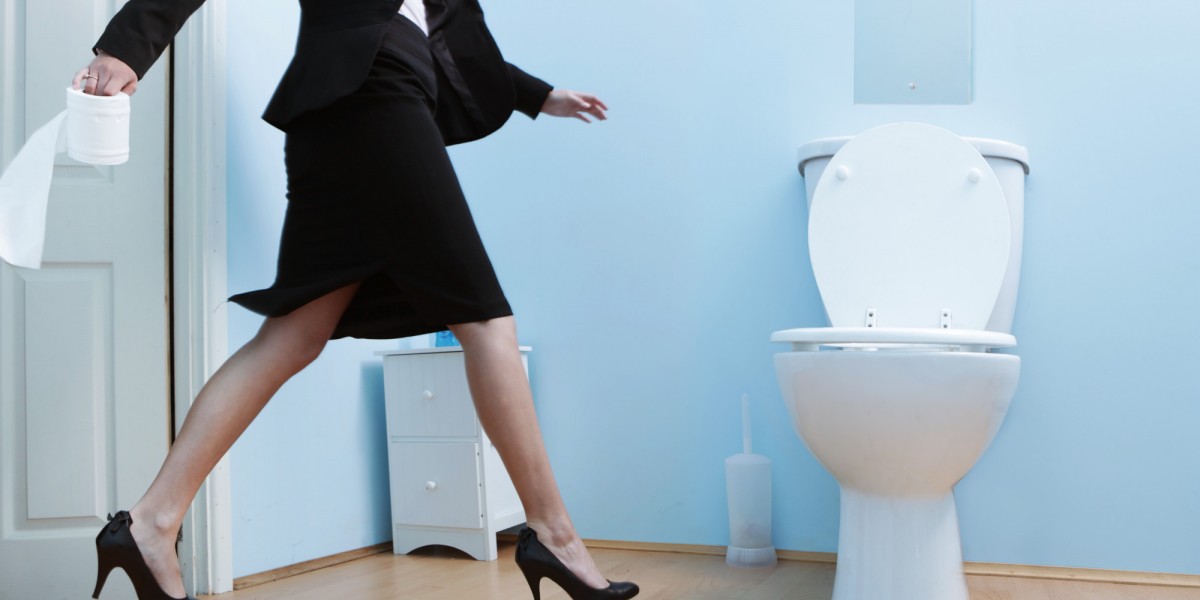
Urinary incontinence is a term used to describe poor bladder control.
There are different types of incontinence with a number of possible causes. The following are the most common:
- stress incontinence
- urge incontinence
- incontinence associated with chronic retention, and
- functional incontinence.
What should I do?
The first step in improving bladder control is to have a full continence assessment carried out by a health professional. This assessment will take into account your medical history and current health, including diet and fluid intake, exercise levels and mobility, all the medicines you are currently taking, and any other factors that could affect bladder function.
Visit your doctor or other health professional if you have concerns about bladder control. Difficulty with bladder control can be prevented, treated, better managed or cured. You shouldn’t be embarrassed to discuss your bladder problems as many other people experience problems too.
Strategies for daily living
Remember the key to living with urinary incontinence is:
- Planning
- Practice
- Prevention
- Problem-solving
You may discover that certain situations make you go to the toilet more often or less often when you’re out. Knowing where the toilet is and going to the toilet as soon as you get the urge are habits that many people with bladder problems practice, especially when they’re away from home.
- Plan ways to use regular toileting as a way to stay dry when you’re out.
- Plan how often you need to go to avoid an accident while you’re out.
- Plan where you sit when travelling on public transport or when you’re out socially.
Article Source: http://www.continence.org.au/pages/urinary-incontinence.html